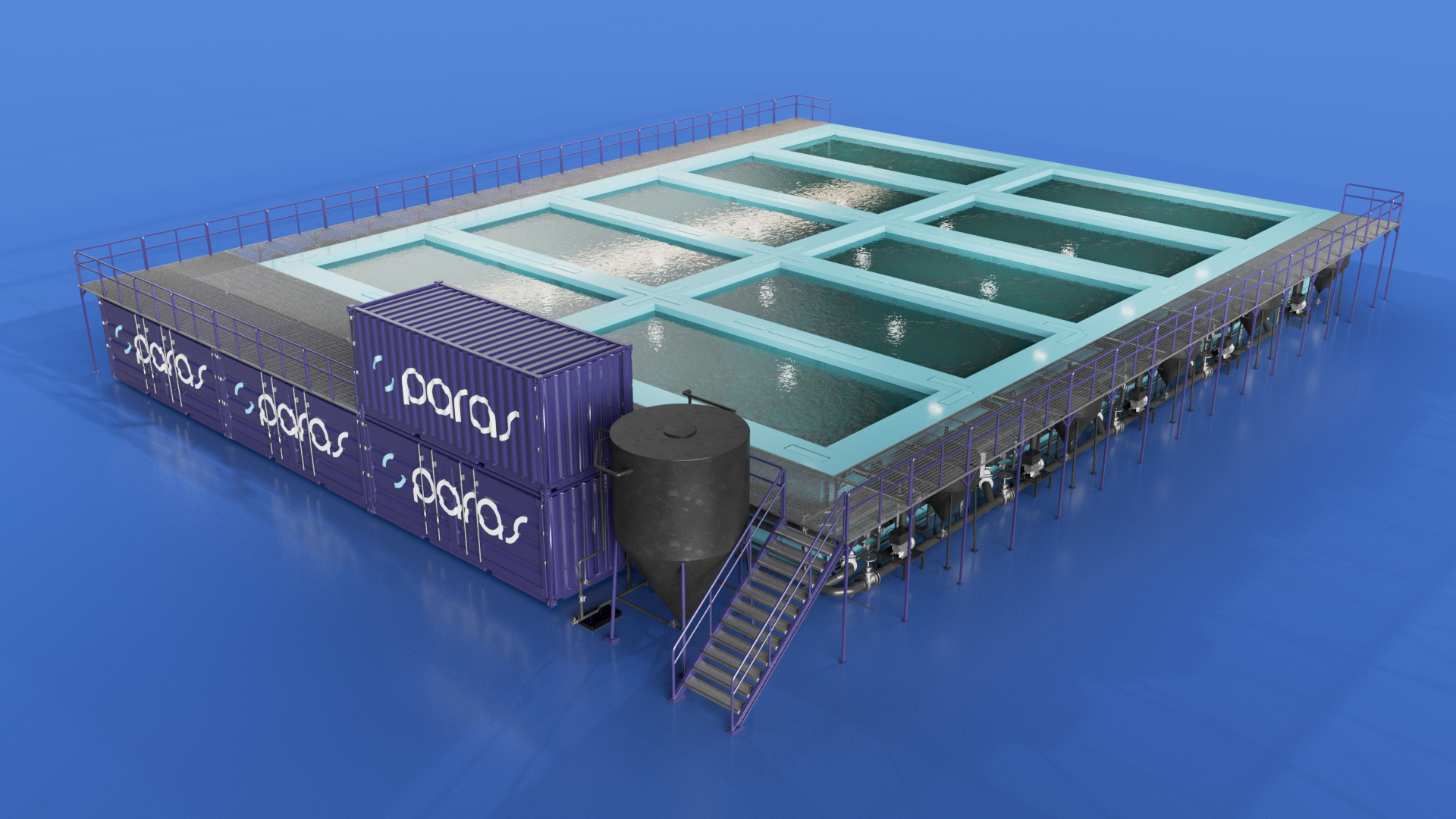
Nutrient-recycling inland aquaculture

The project will build a nutrient recycling symbiosis from the Baltic Sea to the fields, in which nutrients recovered from fish farming will be used as fertilizer in grass cultivation.

Nutrients Back into Use from Sea to Field

The project will build a nutrient recycling symbiosis from the Baltic Sea to the fields, in which nutrients recovered from fish farming will be used as fertilizer in grass cultivation. When the symbiosis also involves an input producer, the feed industry that uses fish meal made from Baltic herring as a feed raw material, environmentally friendly inland aquaculture becomes a net nutrient remover for the Baltic Sea and a producer of recycled fertilizers originating from the Baltic Sea.

Leading the Implementation

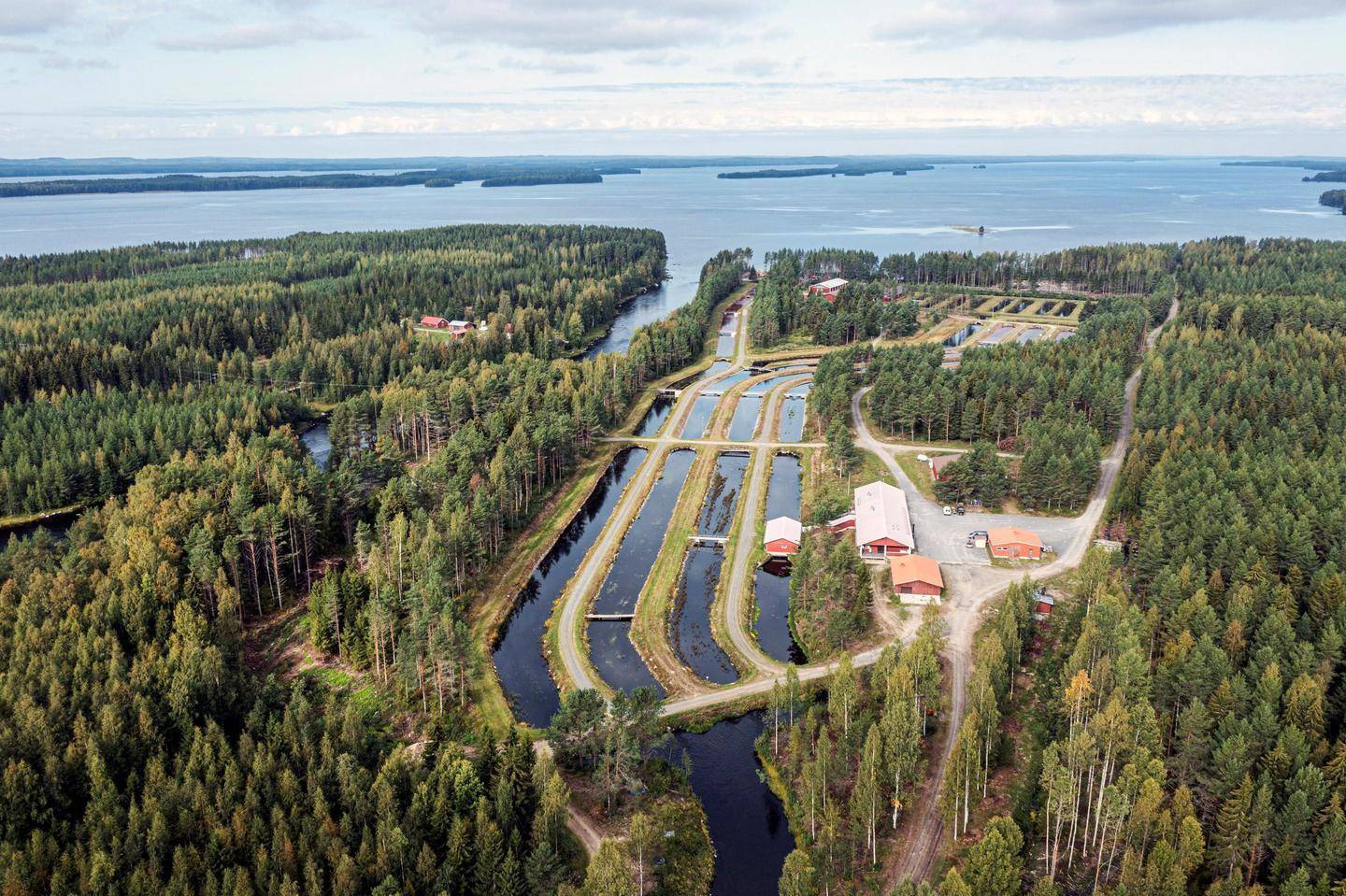
The main implementers of the project are Nilakkalohi Oy and Paras Aqua Oy. The nutrient recovery system to be invested in the project will become part of Nilakkalohi Oy’s farm and production use.

Paras Aqua is the technology supplier and coordinator of the research part of the project, as well as a partial implementer.The project is supported by Suppuniemen tila, which is a potential end user of the recovered nutrients, and Alltech Fennoaqua Oy, which manufactures recirculating feed for use by the project/Nilakkalohi Oy.


Collaborative Project Partners

The recirculating feed is produced using herring and sprat caught in the Baltic Sea as raw materials. Luke and SYKE are involved in the project as contractors for purchased services.

Luke analyzes the properties of nutrient-rich sludge from fish farming from the perspective of fertilizer legislation and conducts cultivation experiments to determine the usability of nutrients as fertilizer in grass cultivation.

SYKE models and measures the nutrient emissions of the target facility and their impact on the downstream water system, taking into account the transport of nutrients all the way to the Baltic Sea.

The Ministry of the Environment has contributed €492,720 to the project from the Ahti program. The aim of the Ahti program is to control nutrient loading, improve soil structure, manage harmful substances, and recover and utilize resources.